Understanding Insulation in Glass Electric Kettles
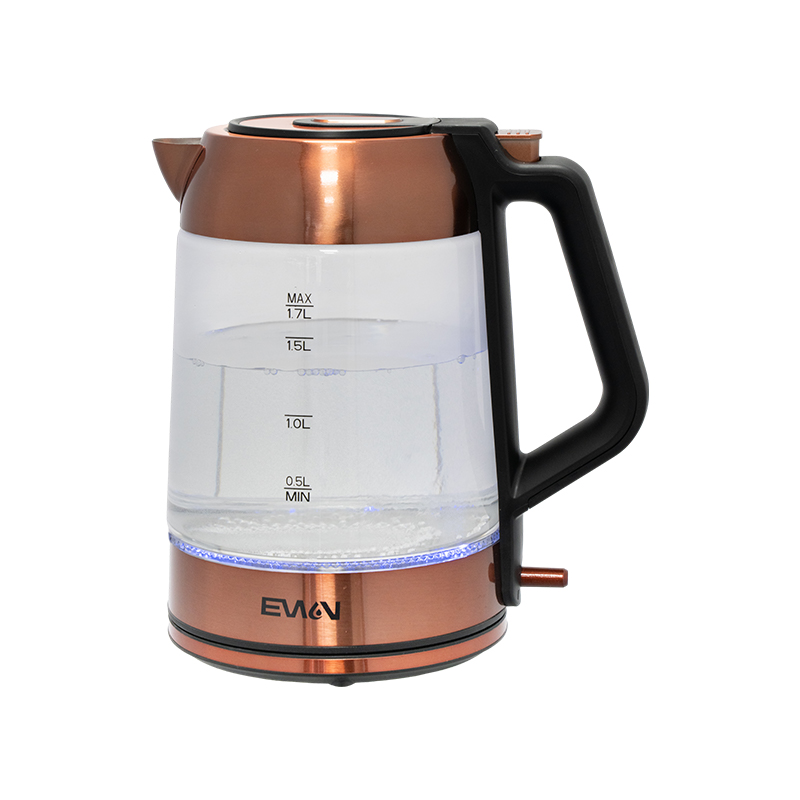
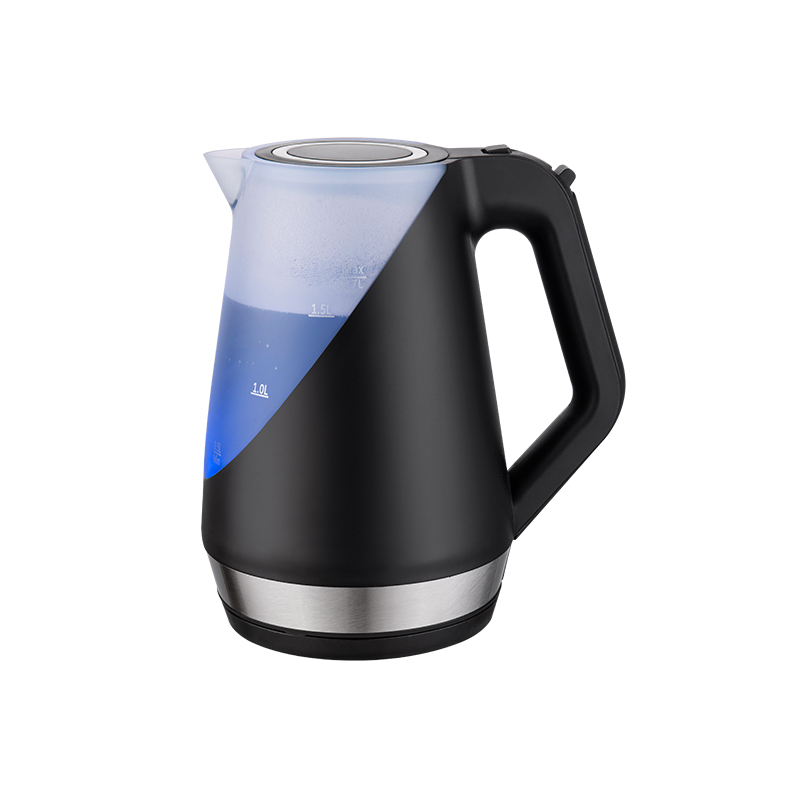
Glass electric kettles are popular for their clear, modern appearance and the ability to see water boiling inside. One of the most common questions about these kettles is whether they are insulated. Insulation refers to the ability of the kettle to prevent heat transfer from the boiling water to the outer surfaces. Glass kettles typically have a glass body that is a good conductor of heat, which means the outer surface can become warm during boiling. However, many glass electric kettles are designed with features that improve insulation, such as double-layer glass, silicone or plastic outer shells, and insulated bases. These features can help reduce heat transfer and make the kettle safer to handle.
How Glass Materials Affect Heat Transfer
Glass is a material that conducts heat relatively well compared to some other materials used in kettles. When water is boiled, the heat generated by the heating element is transferred to the water and then to the glass body. As a result, the glass surface can become hot, especially near the bottom where the heating element is located. This is why some glass kettles may feel hot to the touch during or immediately after boiling. Manufacturers often address this by using thicker glass or double-layer glass designs, which create an air gap that slows down heat transfer. The thickness and type of glass used influence how quickly the surface temperature rises and how long it stays hot after boiling.
Double-Layer Glass and Its Insulation Effect
Double-layer glass is a common solution for improving insulation in glass electric kettles. This design consists of two layers of glass with an air gap between them. The air gap acts as an insulating barrier that reduces heat transfer from the inner layer to the outer layer. As a result, the outer surface remains cooler compared to single-layer glass kettles. The insulation effect is not absolute, but it can significantly reduce the risk of burns and make the kettle more comfortable to handle. In addition, double-layer glass can help maintain the temperature of the water for a longer period, as the heat loss is reduced. The effectiveness of the insulation depends on the thickness of the glass layers and the size of the air gap.
Handle Design and Heat Insulation
The handle design plays a major role in whether the handle becomes hot to the touch. Most glass electric kettles use handles made of plastic or silicone, which are materials with low thermal conductivity. These materials are chosen specifically to prevent heat transfer and provide a comfortable grip. The handle is usually attached to the glass body in a way that minimizes direct contact with the hot surface. Some designs also incorporate additional insulating layers or air gaps near the handle connection. Even with these features, the handle may become warm if the kettle is used for extended boiling or if the surrounding environment is hot. However, the handle is generally designed to remain cool enough for safe handling.
Base and Heating Element Influence on Heat Distribution
The heating element and base design influence how heat is distributed in the kettle. In many glass electric kettles, the heating element is located at the bottom, and the base connects to the power supply. Heat from the element transfers to the water and the glass body. The base may be insulated or designed with materials that reduce heat transfer to the surface. Some kettles use concealed heating elements, which are covered by a metal or plastic plate. This can help reduce the direct heat exposure to the bottom surface and improve safety. The design of the base and heating element affects how hot the kettle becomes and how quickly the outer surfaces cool down after boiling.
Safety Features Related to Insulation and Handle Heat
Safety features in glass electric kettles often focus on preventing burns and ensuring stable operation. Features such as automatic shutoff when boiling is complete, boil-dry protection, and heat-resistant handles contribute to safe use. Insulation features such as double-layer glass and plastic outer shells reduce heat transfer and help prevent accidental burns. Some kettles also have a stay-cool handle design that includes air gaps or insulating materials. The presence of these safety features helps reduce the risk of injury and makes the kettle more user-friendly. When selecting a glass kettle, checking for these features helps ensure a safer product.
| Feature |
Typical Effect on Insulation |
Typical Effect on Handle Heat |
| Single-layer glass body |
More heat transfer to outer surface |
Handle may become warm if not insulated |
| Double-layer glass body |
Reduced heat transfer, cooler outer surface |
Handle stays cooler with proper design |
| Plastic or silicone handle |
Minimal heat transfer |
Handle remains comfortable to grip |
| Insulated base |
Reduced heat transfer to bottom surface |
Less heat conduction to handle |
How Long the Kettle Remains Hot After Boiling
After boiling, the kettle remains hot for a period of time, and the outer surface temperature gradually decreases. The cooling rate depends on the insulation design and the surrounding environment. Kettles with double-layer glass and insulated handles typically cool down more slowly because the insulation reduces heat loss. While this can help maintain water temperature, it also means the kettle may remain warm for longer. Users should exercise caution when handling the kettle immediately after boiling, regardless of insulation design. Allowing the kettle to cool slightly before handling can reduce the risk of discomfort or burns.
How to Test the Insulation and Handle Heat in Practice
Testing the insulation and handle heat can help users understand how a specific kettle performs. A simple method is to fill the kettle with water and bring it to a boil, then carefully touch the outer surface and handle after the boil. Observing the temperature of the surface and handle provides a practical sense of the insulation effect. It is important to perform the test safely, using caution to avoid burns. Some users may also monitor the temperature with a thermometer to measure how quickly the outer surface cools. These tests can help users compare different models and determine which design best fits their safety and comfort needs.
Factors That Can Affect Handle Temperature
Several factors can affect whether the handle becomes hot to the touch. The duration of boiling is one factor; prolonged boiling can increase the overall temperature of the kettle and cause the handle to warm up. The ambient temperature of the room can also influence how quickly heat dissipates. The quality and thickness of the handle material affect heat transfer. Additionally, the connection point between the handle and the kettle body can influence heat conduction. Handles that are tightly attached to the glass body may conduct more heat than those designed with air gaps or insulating layers. Understanding these factors helps users select a kettle that meets their comfort requirements.
Maintenance and Cleaning Considerations for Insulated Glass Kettles
Maintaining a glass electric kettle involves cleaning the glass body and keeping the heating element free of scale buildup. Insulated glass kettles may require careful cleaning to avoid damaging the double-layer structure or handle attachment. Using gentle cleaning agents and avoiding abrasive materials helps protect the glass surface. Descaling periodically helps maintain heating efficiency and prevents the heating element from working harder than necessary. Proper maintenance supports stable operation and helps preserve the insulation properties. Users should follow the manufacturer’s cleaning guidelines to ensure safe and effective care.
Choosing a Glass Electric Kettle Based on Insulation and Handle Safety
When choosing a glass electric kettle, considering insulation and handle safety is important. Users should look for features such as double-layer glass, heat-resistant handles, and insulated bases. These features help reduce heat transfer and provide a more comfortable experience. Reading product specifications and reviews can provide insight into how the kettle performs in real-world use. Ensuring the kettle includes safety features such as automatic shutoff and boil-dry protection adds to user confidence. Selecting a kettle with appropriate insulation and handle design helps create a safer and more comfortable boiling experience.
Insulation and Handle Temperature in Glass Kettles
Glass electric kettles may feel warm on the outer surface due to the heat transfer from boiling water, but insulation features such as double-layer glass and heat-resistant handles help reduce surface temperature and improve safety. The handle is usually designed with low thermal conductivity materials to minimize heat transfer, although it may become warm during extended use. Understanding the design and features of the kettle helps users choose a model that meets their needs for safety and comfort. By paying attention to insulation design and handle material, users can enjoy the benefits of a glass kettle while reducing the risk of discomfort or burns.



 English
 русский





 China Household/Home Electric Appliances Manufacturers