Overview of Electric Kettle Materials
Electric kettles are available in a variety of materials, with glass, plastic, and stainless steel being the most common. Each material has its own characteristics that influence safety, durability, and user experience. Understanding how these materials perform in daily use, particularly regarding exposure to heat, electrical components, and handling, is essential for evaluating overall safety. Glass kettles have gained popularity due to their visual appeal and perceived purity, but it is important to examine their safety compared to plastic and stainless steel alternatives.
Heat Resistance and Thermal Safety
Glass electric kettles are typically made from borosilicate or tempered glass, which can withstand high temperatures without cracking under normal use. This type of glass resists thermal shock better than regular glass, allowing kettles to handle boiling water safely. Stainless steel kettles also offer excellent heat resistance, while plastic kettles vary depending on the polymer used. High-quality plastics can resist high temperatures, but prolonged exposure to boiling water may cause deformation or warping, potentially compromising safety. Glass and stainless steel kettles generally provide more consistent heat resistance, reducing the risk of structural failure during operation.
Chemical Safety and Contamination Risks
One of the advantages of glass kettles is their inert nature. Glass does not leach chemicals into water, making it less likely to impact taste or pose health risks. Plastic kettles, especially those made from lower-quality polymers, may release trace amounts of chemicals such as BPA when exposed to high heat, though many manufacturers now use BPA-free plastics. Stainless steel kettles are generally safe, but the quality of the metal and any interior coatings can influence the potential for metallic taste or minor chemical migration. Overall, glass offers high chemical stability, which is a key consideration for safe drinking water preparation.
Electrical Safety Features
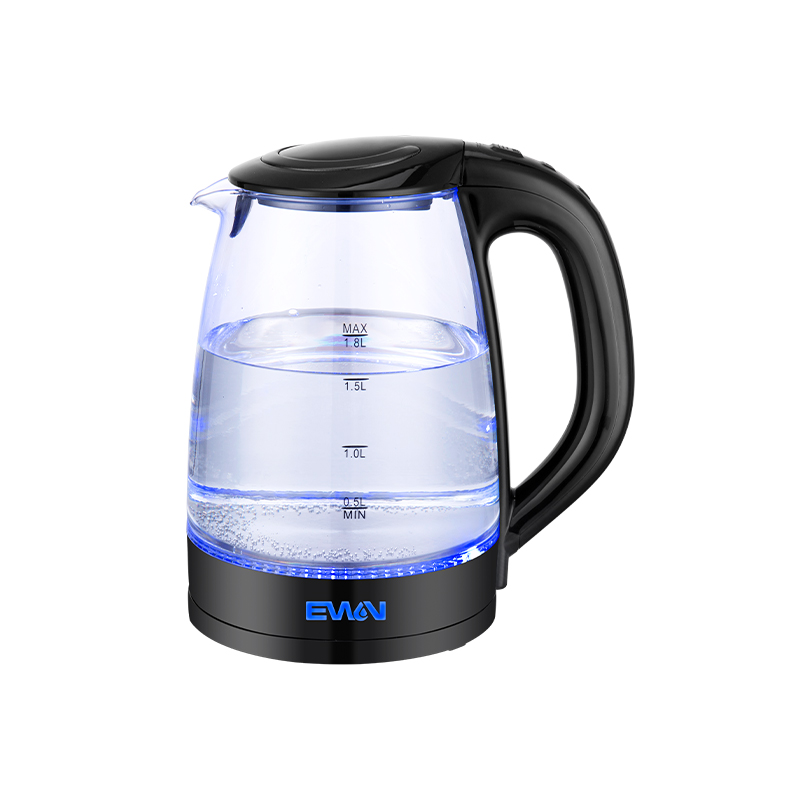
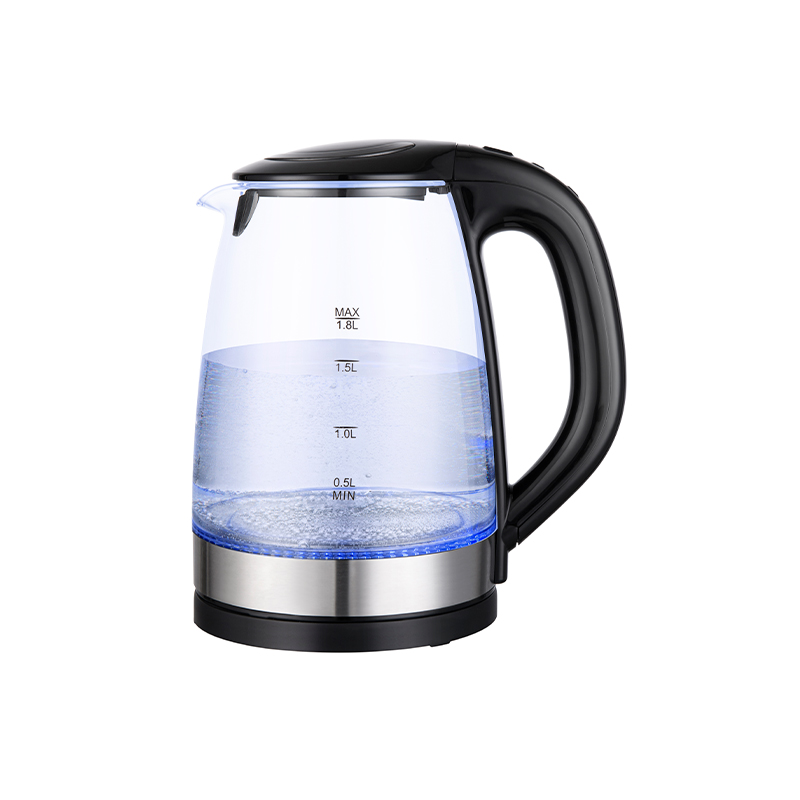
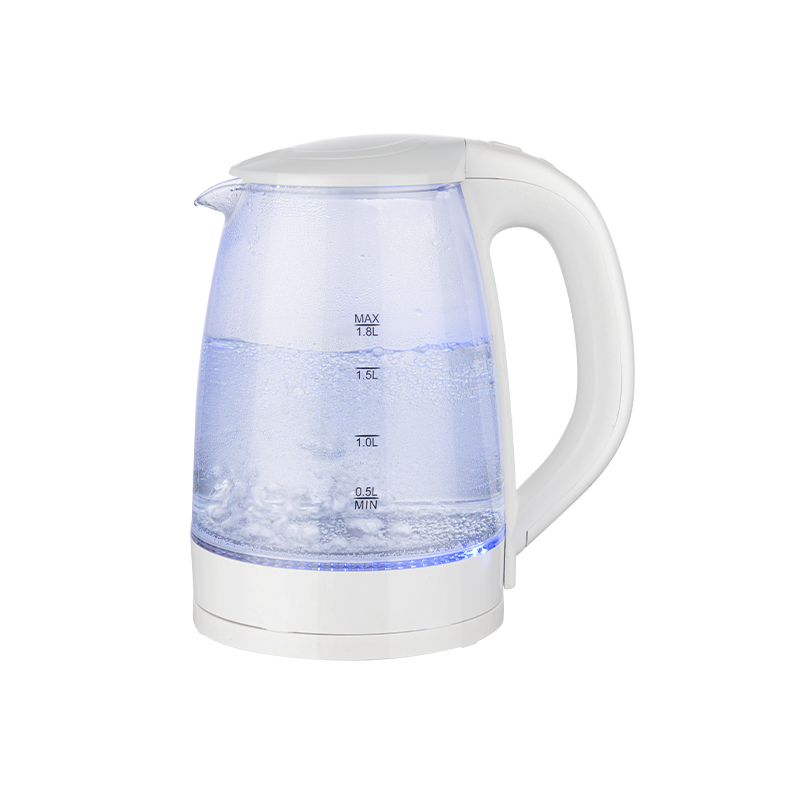
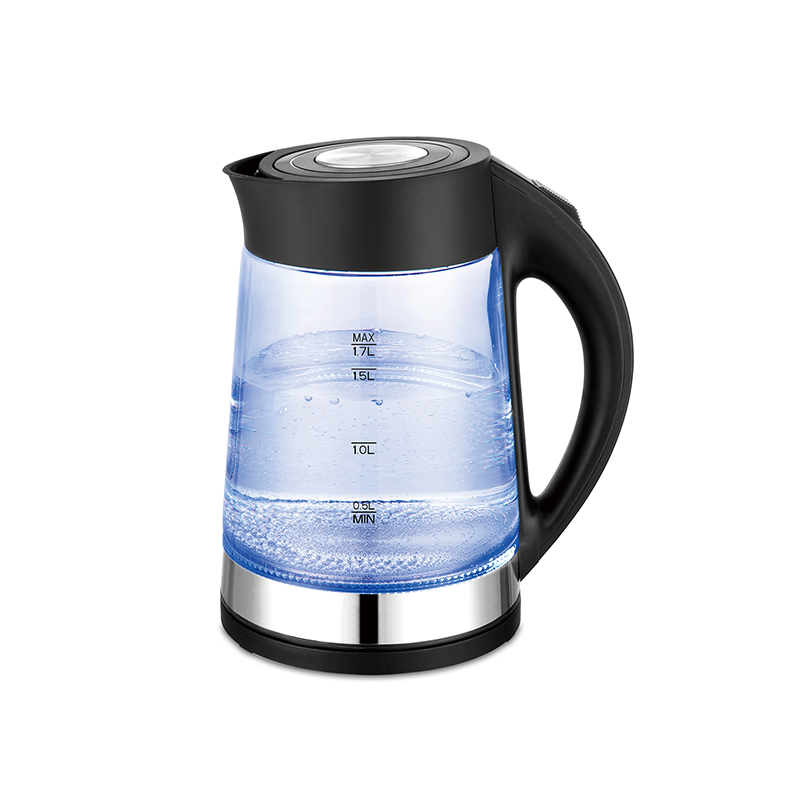
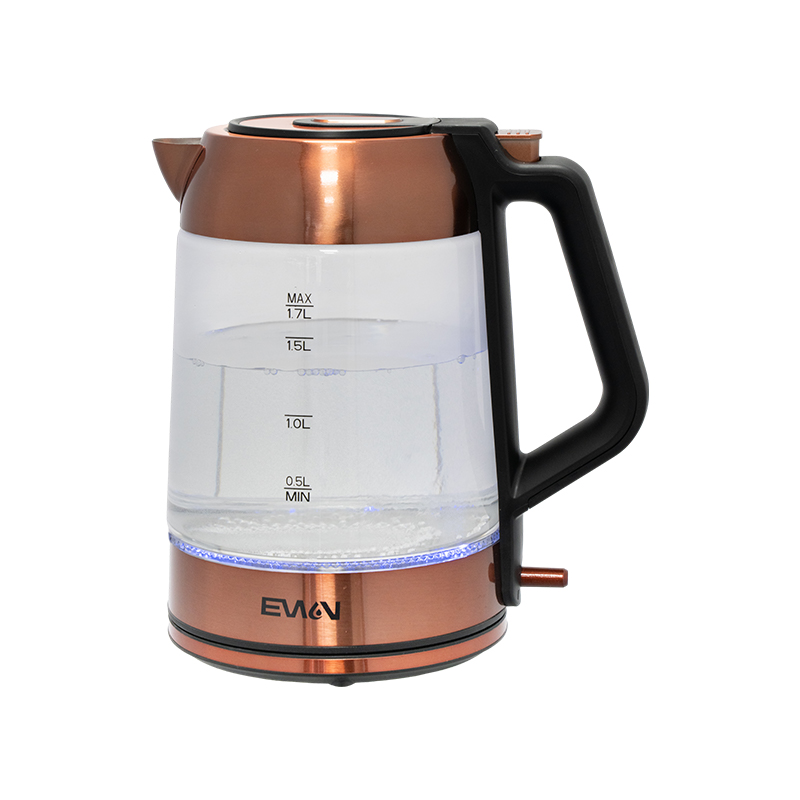
All modern electric kettles, regardless of material, are designed with built-in electrical safety features. Common protections include automatic shut-off when water reaches boiling, boil-dry protection, and insulated handles to prevent burns. Glass kettles integrate these electrical components similarly to plastic and stainless steel kettles. The transparency of glass allows users to see the water level, reducing the likelihood of overfilling, which can contribute to safer operation. Electrical safety depends less on the kettle material and more on proper design and adherence to safety standards.
Durability and Risk of Breakage
Glass kettles are more prone to impact damage than plastic or stainless steel kettles. Dropping a glass kettle or subjecting it to strong mechanical shock can result in cracks or shattering, which poses safety risks from broken glass and hot water. Plastic kettles are generally more resistant to breakage but may warp over time. Stainless steel kettles are highly durable and resistant to impact, though dents can occur under extreme force. Proper handling and placement reduce the likelihood of accidents for all types, but glass kettles require careful use to prevent breakage-related hazards.
Temperature Insulation and Burn Risk
The outer surface temperature of electric kettles can influence burn safety. Glass kettles, particularly those without double-wall construction, can become hot to the touch, increasing the risk of burns if handled carelessly. Plastic kettles often have cooler exterior surfaces due to the insulating properties of the material. Stainless steel kettles can also become hot, depending on wall thickness and design. Double-wall glass kettles or the addition of silicone sleeves can mitigate surface heat and enhance user safety. Users should always consider handle design, spout placement, and heat insulation when selecting a kettle.
Cleaning and Maintenance Safety
Glass kettles allow users to visually inspect the interior, making it easier to identify limescale buildup and ensure thorough cleaning. This transparency can prevent overheating caused by dry operation or residue accumulation. Stainless steel kettles are durable and easy to clean but may obscure limescale presence. Plastic kettles may retain odors or stains, which can affect perceived safety and hygiene. Regular maintenance and cleaning protocols enhance safety across all materials by ensuring proper functioning and preventing contamination.
Environmental and Health Considerations
Glass kettles are generally recyclable and chemically stable, reducing environmental and health concerns associated with material degradation. Plastic kettles contribute to environmental waste and may degrade over time, potentially releasing substances into water. Stainless steel kettles have a longer lifespan, but their production and recycling processes have a larger carbon footprint compared to glass. From a health perspective, glass provides a neutral, non-reactive surface for boiling water, which is a key advantage for safe daily use.
Comparison of Kettle Materials for Safety
| Material |
Heat Resistance |
Chemical Stability |
Impact Resistance |
Burn Risk |
Ease of Cleaning |
| Glass |
High (tempered or borosilicate) |
Excellent, inert |
Moderate, prone to breakage |
High for single-wall designs |
High, visually inspectable |
| Plastic |
Moderate, varies with polymer |
Moderate, risk of chemical leaching if low-quality |
High, resistant to impact |
Low, cooler surface |
Moderate, may retain odors or stains |
| Stainless Steel |
High |
High, minimal chemical reaction |
High, very durable |
Moderate to high, depends on wall thickness |
Moderate, cannot visually inspect interior |
Best Practices for Safe Use of Glass Kettles
To maximize safety, users should handle glass kettles with care, avoid sudden temperature changes, and place them on stable surfaces. Cleaning should be performed regularly to prevent scale buildup, and kettles should not be used if any cracks or chips are present. Using kettles with insulated handles or silicone sleeves can reduce burn risks. Following manufacturer guidelines for maximum water levels, electrical connections, and maintenance ensures safe operation comparable to or exceeding that of plastic and stainless steel kettles.



 English
 русский





 China Household/Home Electric Appliances Manufacturers