Introduction: Understanding the Two Types of Kettles
Water kettles are a common household appliance used for boiling water. They come in two main types: electric water kettles and stovetop kettles. Both have their advantages and drawbacks depending on the user's needs, and one of the major factors to consider when choosing between the two is energy consumption and speed.
How Electric Water Kettles Work
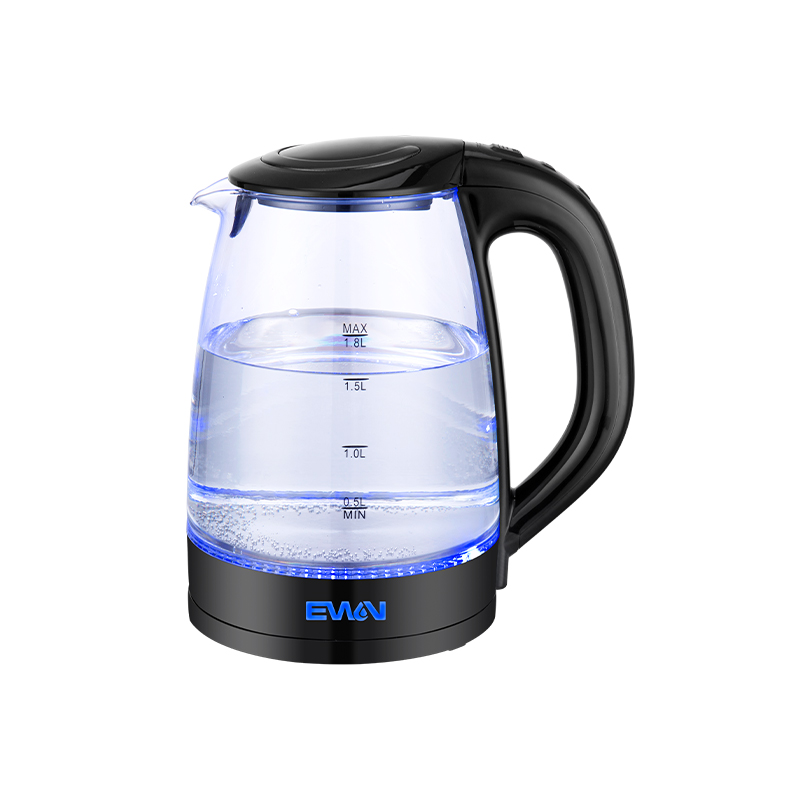
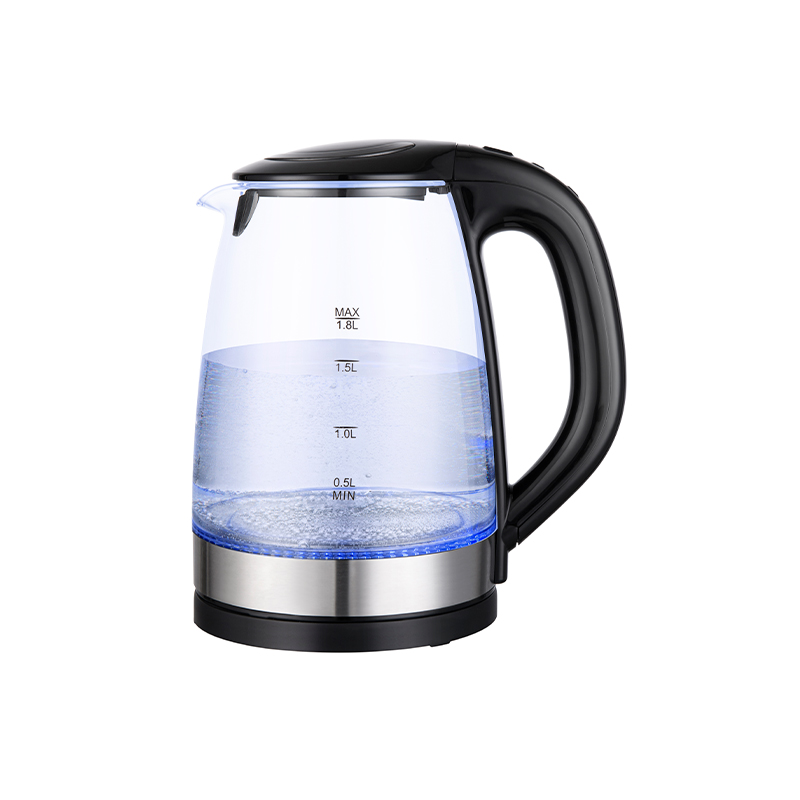
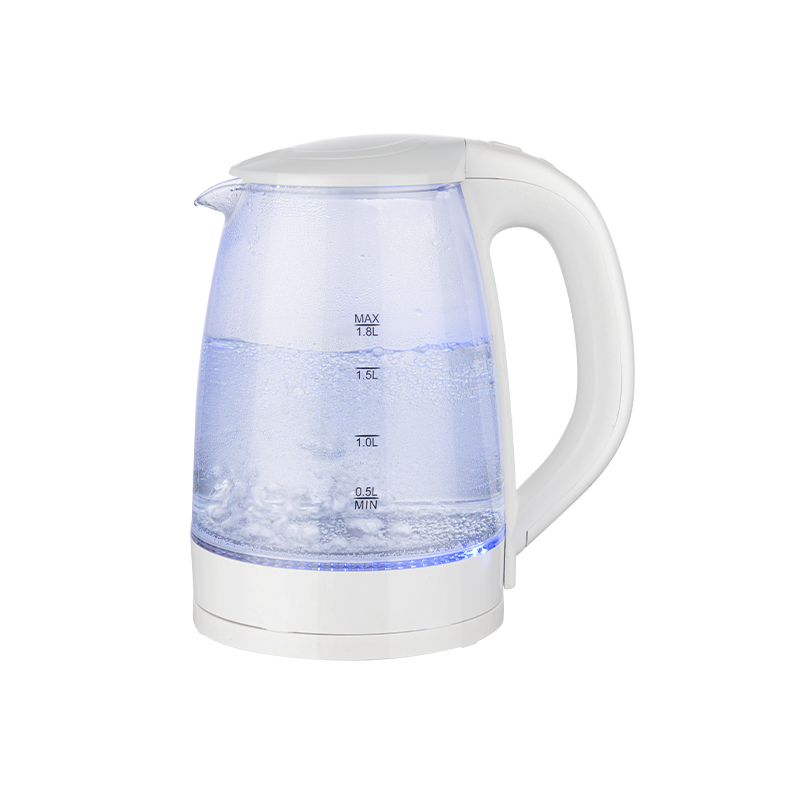
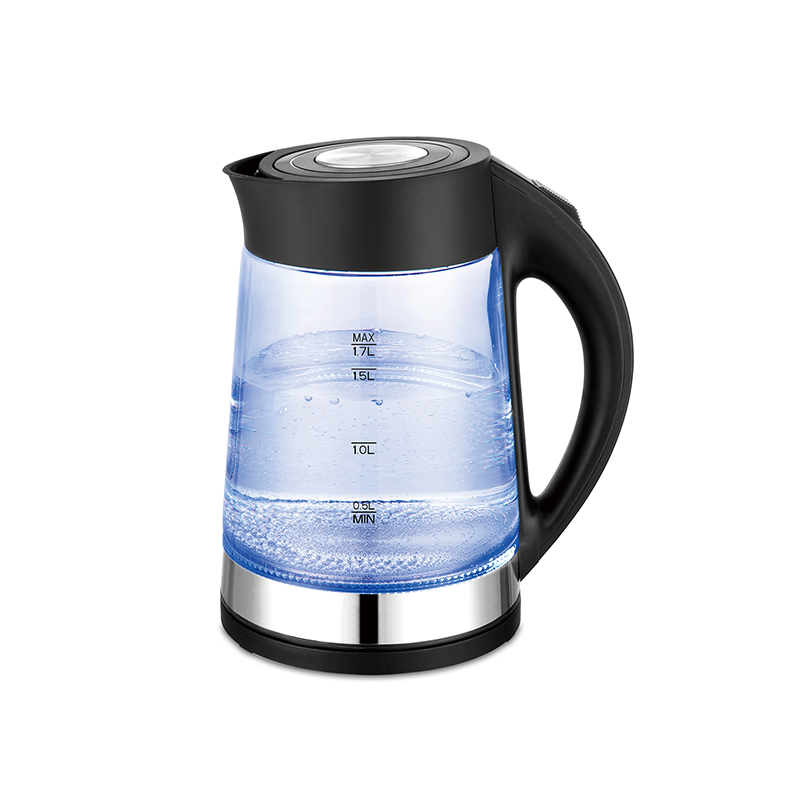
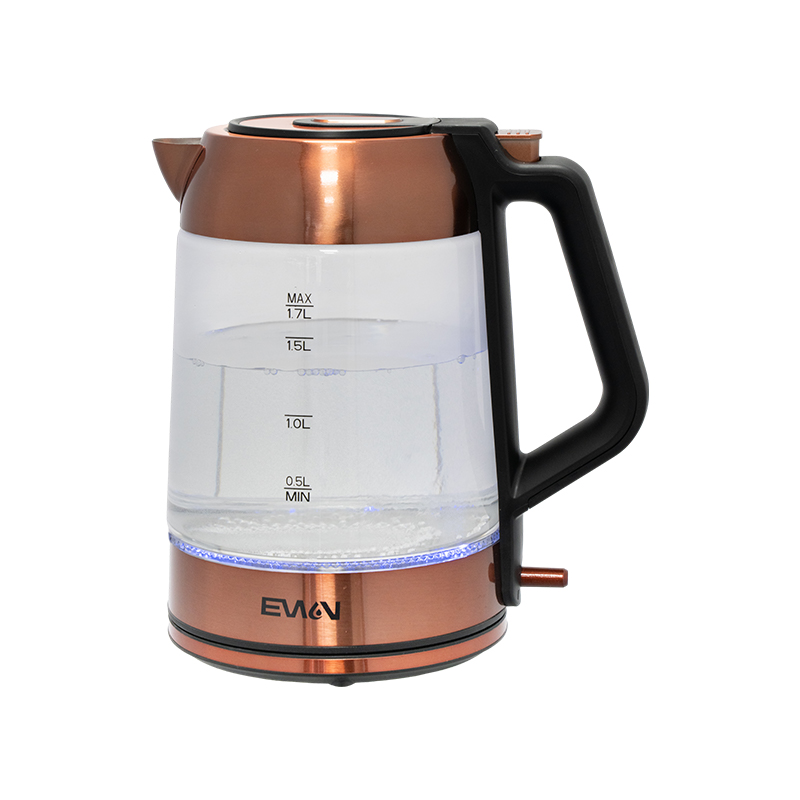
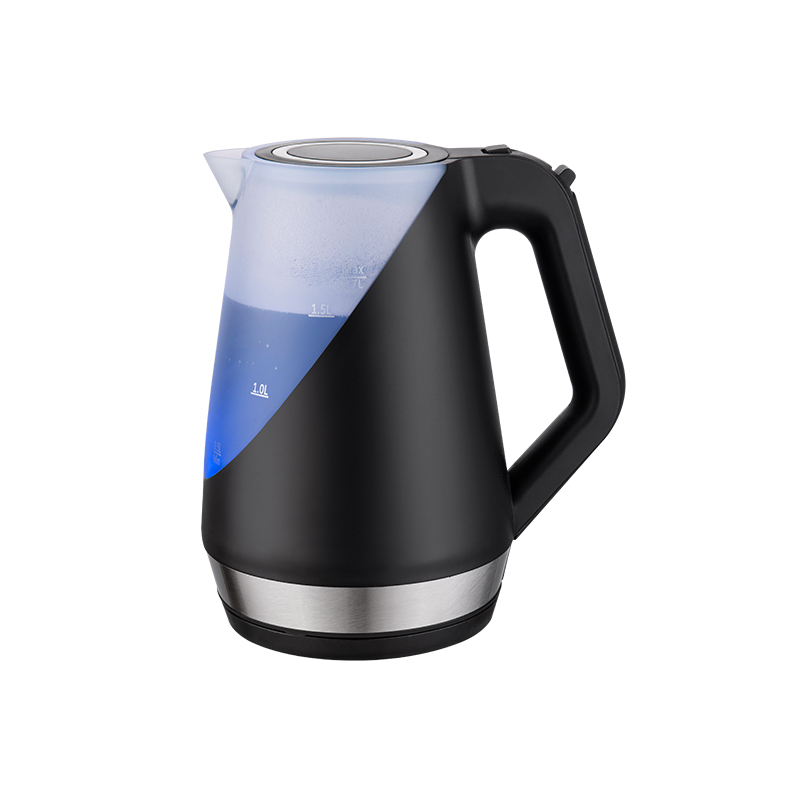
Electric water kettles are powered by electricity and come with a built-in heating element. This heating element directly heats the water inside the kettle when it is turned on, without needing to be placed on a stove. Most electric kettles also have automatic shut-off features, which stop the boiling process once the water has reached the desired temperature. The simplicity and convenience of electric kettles make them popular in households and workplaces alike.
How Stovetop Kettles Work
Stovetop kettles, on the other hand, require an external heat source, typically a gas or electric stove, to heat the water. The kettle is placed on the stove, and the heat from the stove is transferred to the water inside the kettle. Stovetop kettles are often made of metals like stainless steel or copper, which help to distribute heat evenly and effectively. Unlike electric kettles, stovetop kettles do not have built-in heating elements and require manual attention to ensure the water does not boil over or spill.
Energy Consumption: Electric vs. Stovetop Kettles
When considering the energy consumption of electric water kettles and stovetop kettles, there are several factors that influence the overall efficiency of each type. The key aspects to examine include the efficiency of the heat transfer, the time it takes to boil the water, and the energy source used for heating.
Energy Efficiency of Electric Water Kettles
Electric water kettles are generally considered to be more energy-efficient than stovetop kettles. This is because they are designed specifically to convert electrical energy directly into heat within the kettle. The heating element in an electric kettle heats the water very quickly and effectively, with minimal heat loss. As a result, electric kettles typically consume less energy compared to stovetop kettles for the same amount of water boiled. Additionally, the automatic shut-off feature in many electric kettles ensures that no energy is wasted once the water has reached its boiling point.
Energy Efficiency of Stovetop Kettles
Stovetop kettles are less efficient in terms of energy consumption compared to electric kettles. One reason for this is that stovetop heating relies on transferring heat from the stove to the kettle. During this process, a significant amount of heat can be lost, especially if the heat source is not well-regulated or if the kettle is made from a material that doesn’t distribute heat evenly. Furthermore, stovetop kettles require more time to bring water to a boil, which means that more energy is required to heat the water. The efficiency of stovetop kettles can also be affected by the type of stove being used—gas stoves, for example, tend to lose more heat compared to electric stoves or induction cookers.
Comparing Energy Consumption
In general, electric kettles consume less energy compared to stovetop kettles. On average, an electric kettle can bring 1 liter of water to a boil in about 3 to 5 minutes, while a stovetop kettle may take anywhere from 5 to 8 minutes, depending on the stove and kettle type. While the exact energy usage can vary based on the power rating of the kettle and the efficiency of the stove, electric kettles are more direct in their energy use, making them the more energy-efficient option overall.
Speed: How Fast Can Each Type Boil Water?
Another important factor in choosing between an electric kettle and a stovetop kettle is how fast they can bring water to a boil. The speed of boiling can be particularly important in households where boiling water quickly is necessary for tasks like making tea or preparing meals. Here, the design of each kettle type plays a significant role in determining its boiling speed.
Speed of Electric Water Kettles
Electric water kettles are designed for speed, with most models capable of boiling water quickly. The direct heat transfer from the heating element to the water means that electric kettles can achieve a rolling boil in a relatively short amount of time. As mentioned earlier, an electric kettle typically takes 3 to 5 minutes to bring 1 liter of water to a boil. This makes electric kettles an excellent choice for individuals who need boiling water quickly, as they are generally faster than stovetop kettles.
Speed of Stovetop Kettles
Stovetop kettles generally take longer to boil water compared to electric kettles. This is because the stove’s heat must first be transferred to the kettle, and from there, the kettle’s material must heat the water. The time it takes for a stovetop kettle to reach boiling depends on several factors, such as the stove’s heat output, the material of the kettle, and the amount of water being boiled. A stovetop kettle can take anywhere from 5 to 8 minutes to bring 1 liter of water to a boil, which is slower compared to electric kettles.
Comparing Boiling Speed
In terms of speed, electric kettles have a clear advantage. The heating element in an electric kettle directly heats the water, making the process faster and more efficient. For people who prioritize speed and convenience, especially in busy kitchens or workplaces, an electric kettle is often the better choice. However, stovetop kettles may still be suitable for those who do not mind a longer boiling time or those who prefer the aesthetic of traditional stovetop kettles.
Practical Considerations
When choosing between an electric kettle and a stovetop kettle, it is important to consider factors beyond just energy consumption and speed. Practical considerations such as portability, convenience, and ease of use can also play a role in your decision.
Portability of Electric and Stovetop Kettles
Electric kettles are generally more portable than stovetop kettles because they do not require a stove to operate. They can be used anywhere there is an electrical outlet, making them a great choice for offices, dorm rooms, or small kitchens. On the other hand, stovetop kettles require a stove to operate, limiting their portability. However, some stovetop kettles are designed with features like ergonomic handles and lightweight materials to make them easier to handle.
Convenience of Electric and Stovetop Kettles
Electric kettles are often considered more convenient because they are faster and more energy-efficient. Many models also come with automatic shut-off functions, which make them safer to use and reduce the risk of overboiling. Stovetop kettles, while offering a more traditional experience, require more attention during the boiling process. You need to monitor the water and make sure the stove is turned off once it boils. However, some users may prefer the slower, more deliberate pace of using a stovetop kettle for making tea or other beverages.



 English
 русский





 China Household/Home Electric Appliances Manufacturers