Glass kettles provide a safe and visually appealing way to boil water, combining transparency with modern functionality. Both stovetop and electric glass kettles offer quick heating, easy monitoring of water levels, and compatibility with small kitchen spaces, making them versatile additions to home kitchens and offices.Choosing the right glass kettle depends on usage frequency, heating method, capacity, and additional safety features.
Types of Glass Kettles
Glass kettles are mainly divided into stovetop and electric types, each offering distinct advantages for different kitchen needs.
Stovetop Glass Kettles
- Designed to be placed directly on gas or electric stovetops.
- Typically made from borosilicate glass to withstand high temperatures.
- Often include metal or heat-resistant handles and whistle caps for safety.
- Advantages: durability, no electricity required, classic design appeal.
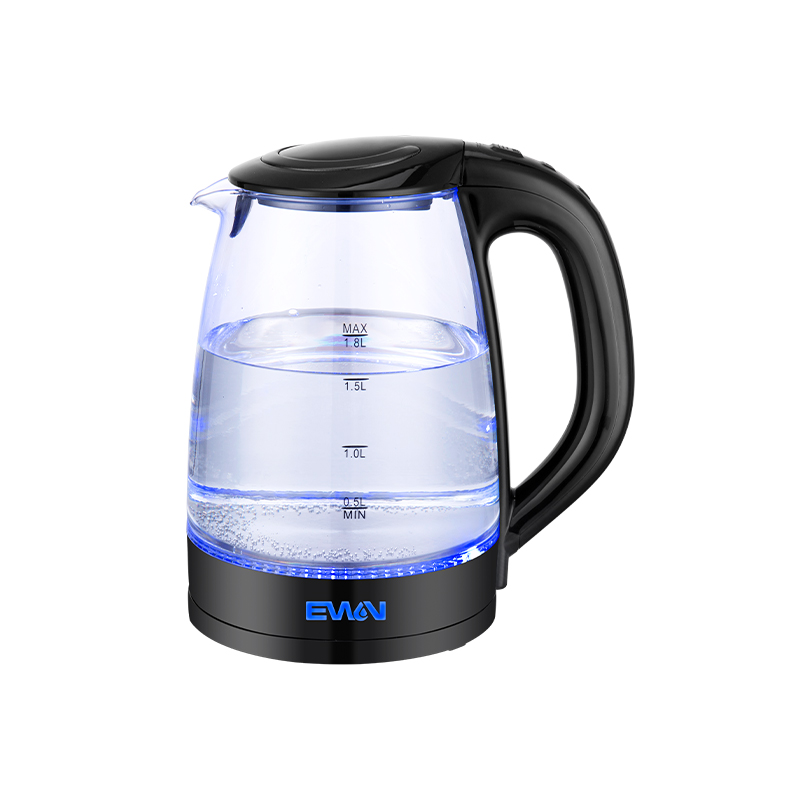
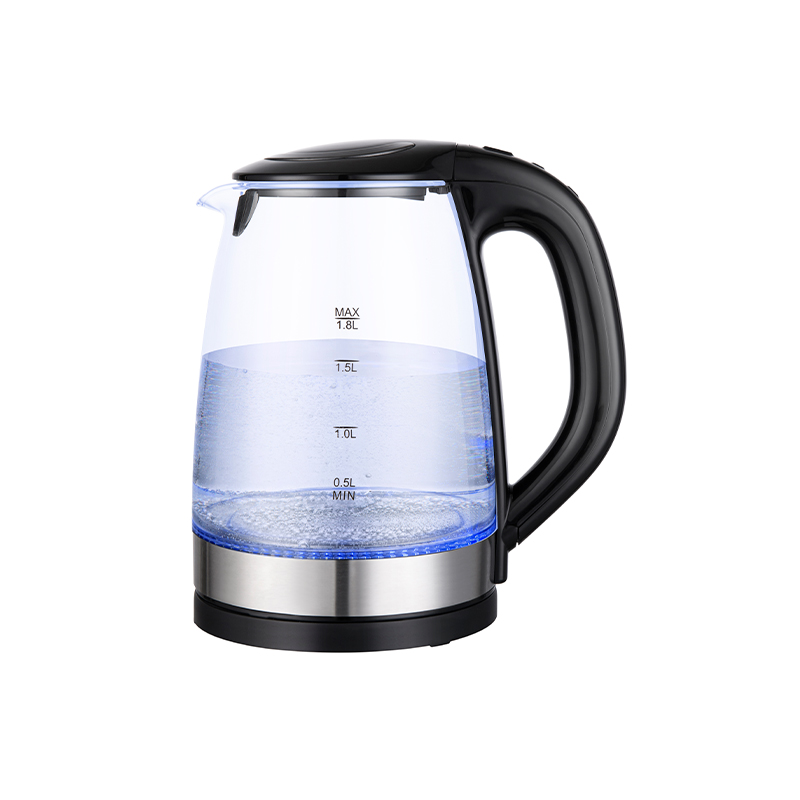
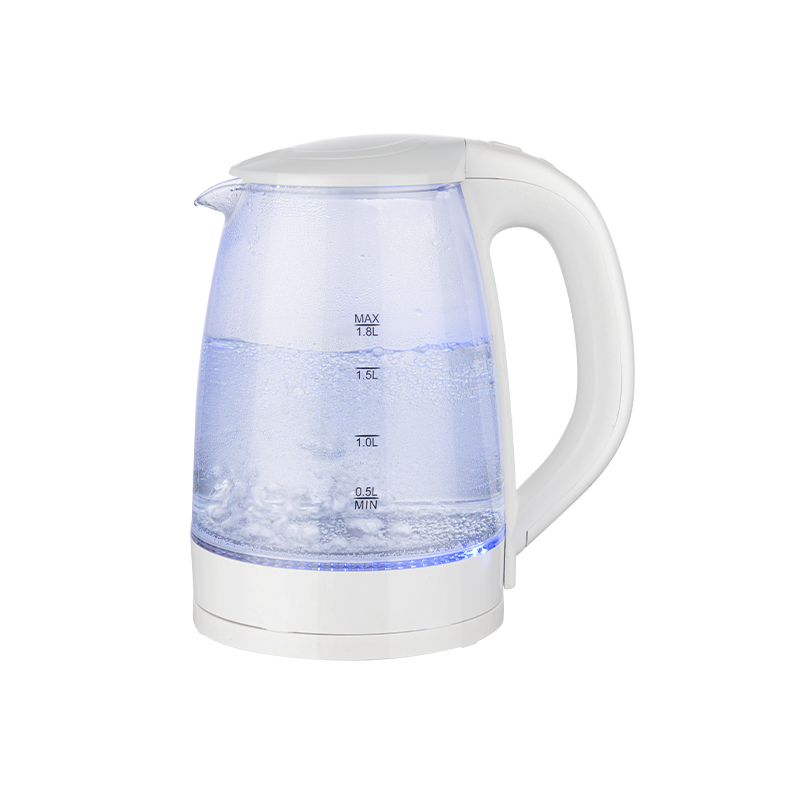
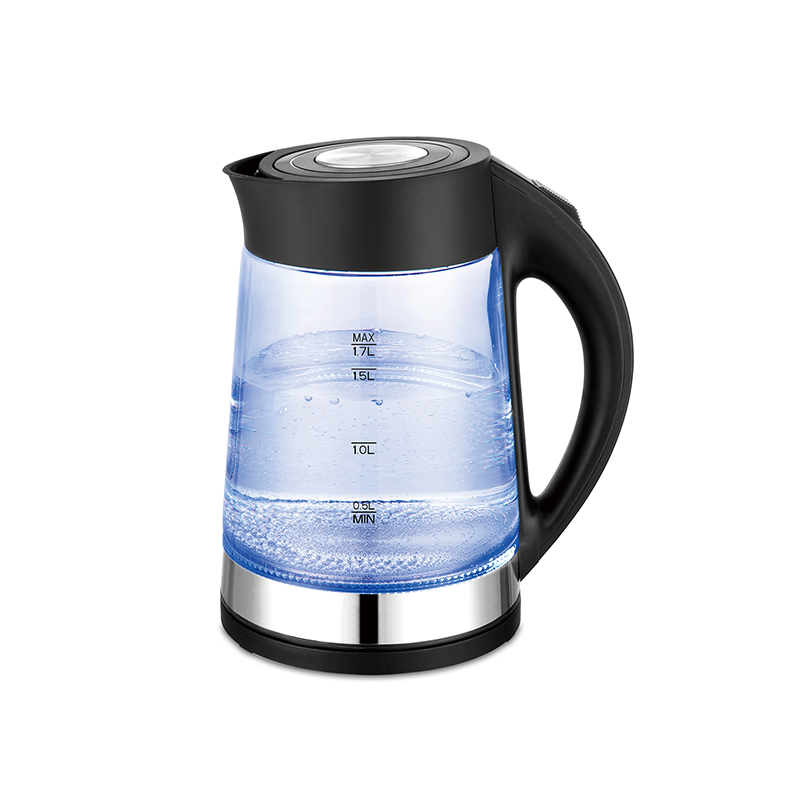
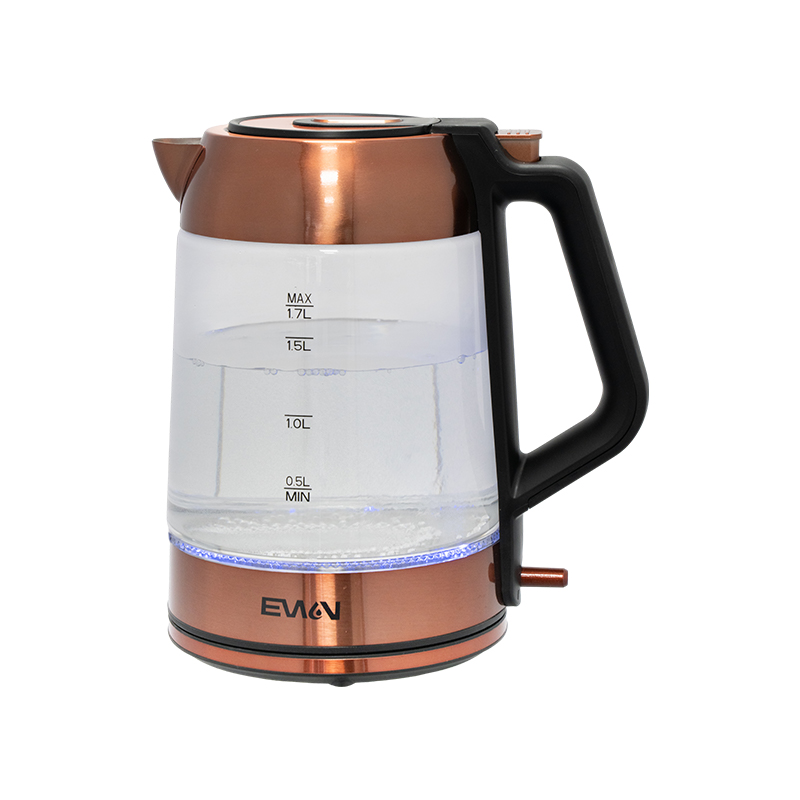
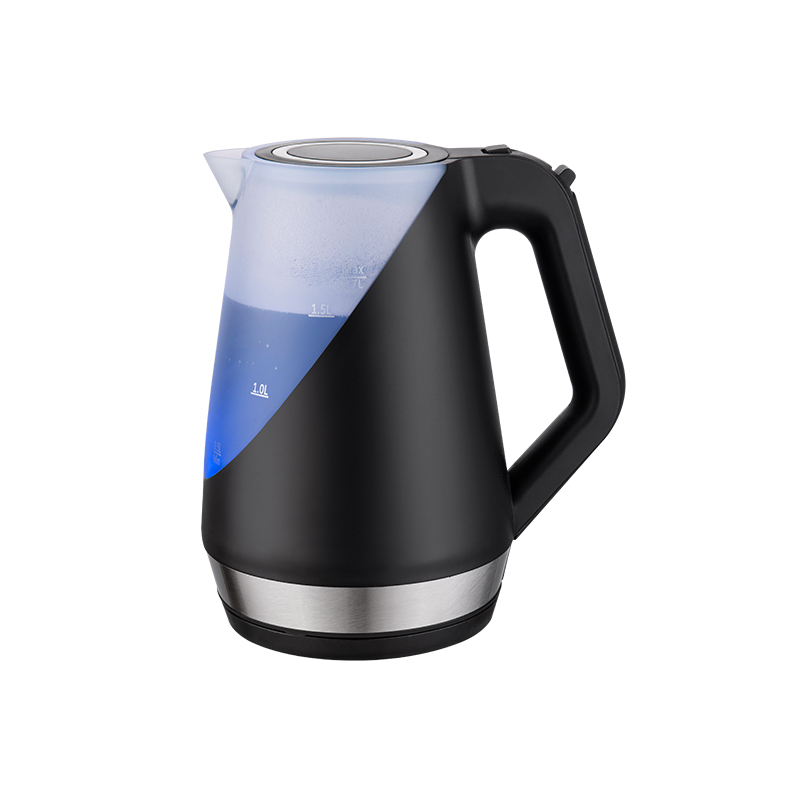
- Use an electric heating element for fast water boiling.
- Transparent design allows users to monitor water level and cleanliness.
- Often feature auto shut-off, boil-dry protection, and temperature control.
- Advantages: speed, energy efficiency, and convenient automation.
Key Features and Safety Considerations
Glass kettles combine aesthetic transparency with practical safety features. Key considerations ensure durability and reduce the risk of accidents.
Material Quality
- Borosilicate glass resists thermal shock and high temperatures.
- Tempered glass enhances strength and reduces risk of breakage.
- Check for BPA-free plastic or metal components for safe handling.
Safety Features
- Whistling caps on stovetop kettles alert users when water reaches boiling point.
- Auto shut-off and boil-dry protection prevent overheating in electric models.
- Heat-resistant handles and stable bases reduce risk of burns or tipping.
Capacity and Efficiency
Glass kettles come in various capacities, typically ranging from 0.5 liters to 1.7 liters, catering to small households or office use. Efficiency depends on heating method and kettle design.
Comparison of common glass kettle types, capacities, and heating efficiency
| Kettle Type |
Capacity Range |
Typical Boiling Time |
Efficiency Notes |
| Stovetop Glass Kettle |
0.5–2 liters |
5–15 minutes depending on heat source |
Durable, no electricity required, slower heating |
| Glass Electric Kettle |
0.5–1.7 liters |
3–7 minutes depending on wattage |
Fast, energy-efficient, automated shut-off |
Practical Tips for Maintenance
Proper maintenance ensures longevity and safety of glass kettles. Regular cleaning and careful handling prevent damage and preserve aesthetic clarity.
- Descale periodically with vinegar or citric acid to remove mineral buildup.
- Avoid sudden temperature changes to prevent glass cracking.
- Clean handles and bases to maintain safety and hygiene.
- Store in a stable, upright position to prevent tipping or breakage.



 English
 русский





 China Household/Home Electric Appliances Manufacturers